Featured
"Debt Management for Couples: How to Tackle Money Together Wrecks Your Future" and Other Myths Can Be Fun For Anyone
Table of Contents
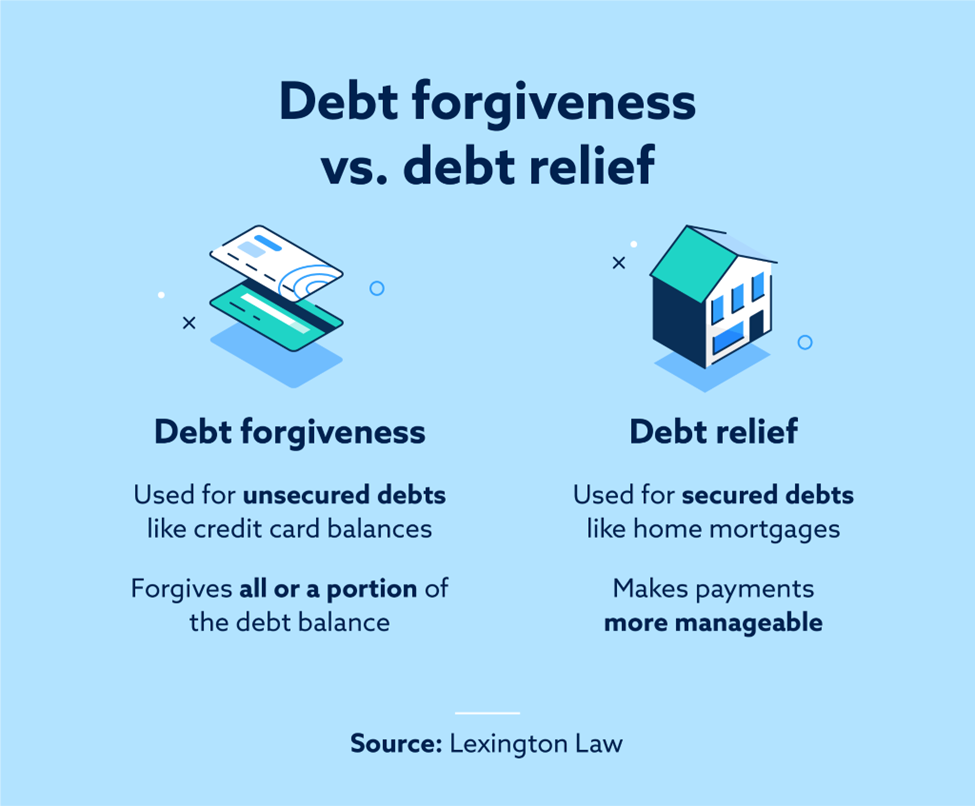
That releases up money in the short-term, and you may have three to 4 years to save towards the settlement quantity. Extremely harmful to credit rating, largely because of missed out on repayments and an adverse "settled" mark that can remain on your credit score record for up to seven yearsMay be just option if various other choices (financial debt consolidation, balance transfer bank card, financial debt forgiveness) aren't possibleTypically requires a fee to the 3rd party, which could balance out some or all of the financial savings from debt settlementMay help you prevent personal bankruptcy if you've missed out on several paymentsNot all lenders function with debt negotiation business Debt forgiveness might be ideal for you if you are experiencing a financial difficulty that makes it virtually difficult to pay for your financial debt balances.
With a DMP, you make one month-to-month payment to the credit rating counseling company. Those funds are after that dispersed to financial institutions of your unsafe financial debts, such as charge card and installment lendings. The firm deals with your financial institutions to decrease rates of interest or forgo costs, yet some lenders may refuse such concessions.
A financial obligation consolidation lending combines your qualified financial debts into one brand-new finance. It can assist you pay down debt if you're able to safeguard a car loan price that's reduced than the average price of the accounts you're settling. You have to refrain from racking up financial debt on those newly gotten rid of accounts or your financial obligation could grow even higher.

These cards often supply a 0% rate of interest initial period of as much as 21 months. That gives you lots of time to eliminate or considerably lower your balance while making interest-free repayments. For some people encountering overwhelming financial debt, bankruptcy may be the only means to stop collection procedures and legitimately resolve their debts.
Real Testimonials of Debt Management for Couples: How to Tackle Money Together Users Things To Know Before You Buy
You might need it if your financial institution or a debt collector ever before tries to accumulate on the financial debt in the future. The letter could prove you don't owe what the debt collector's records show. Yes, in many situations, the internal revenue service takes into consideration forgiven financial obligation as taxable income. When a loan provider forgives $600 or more, they are needed to send you Form 1099-C.
Debt mercy or negotiation generally harms your credit report. Anytime you settle a financial debt for less than you owe, it may appear as "worked out" on your credit score report and influence your credit report for 7 years from the date of negotiation. Your credit score can likewise drop substantially in the months causing the forgiveness if you fall behind on settlements.
Indicators on Common Misunderstandings About Debt Management for Couples: How to Tackle Money Together You Need To Know
This scenario frequently results from underreporting revenue, not submitting returns on time, or discrepancies located during an Internal revenue service audit. The repercussions of building up tax obligation debt are serious and can include tax liens, which give the Internal revenue service a lawful claim to your residential property as safety for the financial obligation.
Wages and Bank Accounts IRS can levy (confiscate) salaries and financial institution accounts to please the financial obligation. Property Seizure In severe instances, the IRS can take and offer residential or commercial property to cover the financial debt.
Anxiety, anxiety, and other mental health concerns. Social Preconception Encountering lawful activity from the IRS can carry social stigma. Damages to credibility and partnerships. Work Opportunities An inadequate debt score as a result of strain financial obligation can limit employment possibility. Trouble searching for or keeping a task. Federal government Benefits Tax obligation debt may influence eligibility for government benefits, such as Social Safety and Medicaid.
The Greatest Guide To Is It Worthwhile vs Going It Alone Approaches
The OIC takes into consideration several factors, including the taxpayer's income, expenditures, possession equity, and capacity to pay. Effectively discussing an OIC can be intricate, calling for a detailed understanding of the internal revenue service's guidelines and a solid disagreement for why your deal straightens with your capacity to pay. It is essential to note that not all applications are accepted, and the process requires thorough economic disclosure.
The IRS assesses your general monetary situation, including your revenue, expenses, property equity, and ability to pay. You need to also be existing with all declaring and settlement requirements and not be in an open personal bankruptcy case. The IRS additionally considers your compliance history, assessing whether you have a record of prompt filing and paying tax obligations in previous years.
The Main Principles Of What You Should Prepare For In the Debt Forgiveness Process
The application procedure for a Deal in Compromise entails numerous thorough steps. You should complete and submit Internal revenue service Kind 656, the Deal in Compromise application, and Kind 433-A (OIC), a collection information declaration for individuals. These kinds require detailed financial information, including information concerning your earnings, debts, expenditures, and properties.
Back tax obligations, which are unpaid taxes from previous years, can considerably raise your overall internal revenue service financial debt if not dealt with immediately. This financial debt can accumulate interest and late repayment charges, making the original amount owed much larger in time. Failure to repay taxes can result in the internal revenue service taking enforcement activities, such as issuing a tax lien or levy versus your home.
It is essential to attend to back taxes as soon as feasible, either by paying the complete quantity owed or by setting up a layaway plan with the internal revenue service. By taking positive steps, you can avoid the accumulation of added passion and charges, and stop a lot more hostile collection actions by the internal revenue service.
One typical factor is the idea that the taxpayer can pay the total either as a lump sum or through a layaway plan. The IRS also takes into consideration the taxpayer's revenue, costs, possession equity, and future earning possibility. If these elements indicate that the taxpayer can pay for to pay greater than the provided amount, the internal revenue service is most likely to reject the deal.
The Of Comparing Debt Management for Couples: How to Tackle Money Together Providers in the Industry
It is important to offer precise and full details in your application and to talk to a tax obligation specialist to enhance the chances of acceptance. Taking care of internal revenue service financial debt can be complicated and difficult. Tax specialists, such as Certified public accountants, tax obligation lawyers, or signed up agents, can give important help. They have the knowledge to navigate the details of tax regulation and internal revenue service procedures.

Table of Contents
Latest Posts

The Single Strategy To Use For Consumer Rights According to Bankruptcy Law
Examine This Report about Required Records for Bankruptcy Counseling
What Does Actionable Guidance Following Debt Relief Options for Travel Nurses and Contract RNs Mean?
More
Latest Posts
The Single Strategy To Use For Consumer Rights According to Bankruptcy Law
Examine This Report about Required Records for Bankruptcy Counseling
What Does Actionable Guidance Following Debt Relief Options for Travel Nurses and Contract RNs Mean?